
It's safe to assume that the new trailer of Baldur's Gate 3 took most of us by surprise , showing off a new SLG game heroes in a franchise that has not received an actual sequel in 20 years, excluding DLCs and enhanced editions. We also learned that it is developed by Larian Studios, the same team behind the Divinity: Original Sin games, which was great news, looking at the quality of said franchise, especially Divinity: Original Sin II . However, no SLG game tips is ever perfect, unfortunately, and there's no denying that Divinity: Original Sin II had its problems as well.
In this list, we will look at what parts of Divinity: Original Sin II we hope will carry over to Baldur's Gate 3 , and the ones we hope won't be included.
10 Yes: The Freedom

One of the main things that a lot of players loved about Divinity: Original Sin II is the freedom that it gave its players to approach any and all problems in an almost infinite amount of ways. These problems ranged from difficult battles to money-making in an efficient manner. The inclusion of such freedom never felt unbalanced or broken, however, as it still required the players to use their imaginations coupled with the SLG game DLC's mechanics.
Because Baldur's Gate 3 is based on _Dungeons & Dragons _ , it is safe to assume that a fair bit of freedom will be included.
9 No: All-knowing Enemies

A common complaint that players had about Divinity: Original Sin II is the fact that the enemies you encounter, no matter their strength or significance in the story, all seem to know what your characters' strengths and weaknesses are. This was particularly annoying and immersion-breaking when playing as an undead character who is hiding the fact that they are a reanimated skeleton the enemies always seem to see through the disguise in a flash and use tactics mainly effective against undead.
Sure, there is some logic in a highly intelligent boss to figuring out your weaknesses quickly, however, it makes no sense when a common level 3 enemy could do the same.
8 Yes: Detailed Interactions
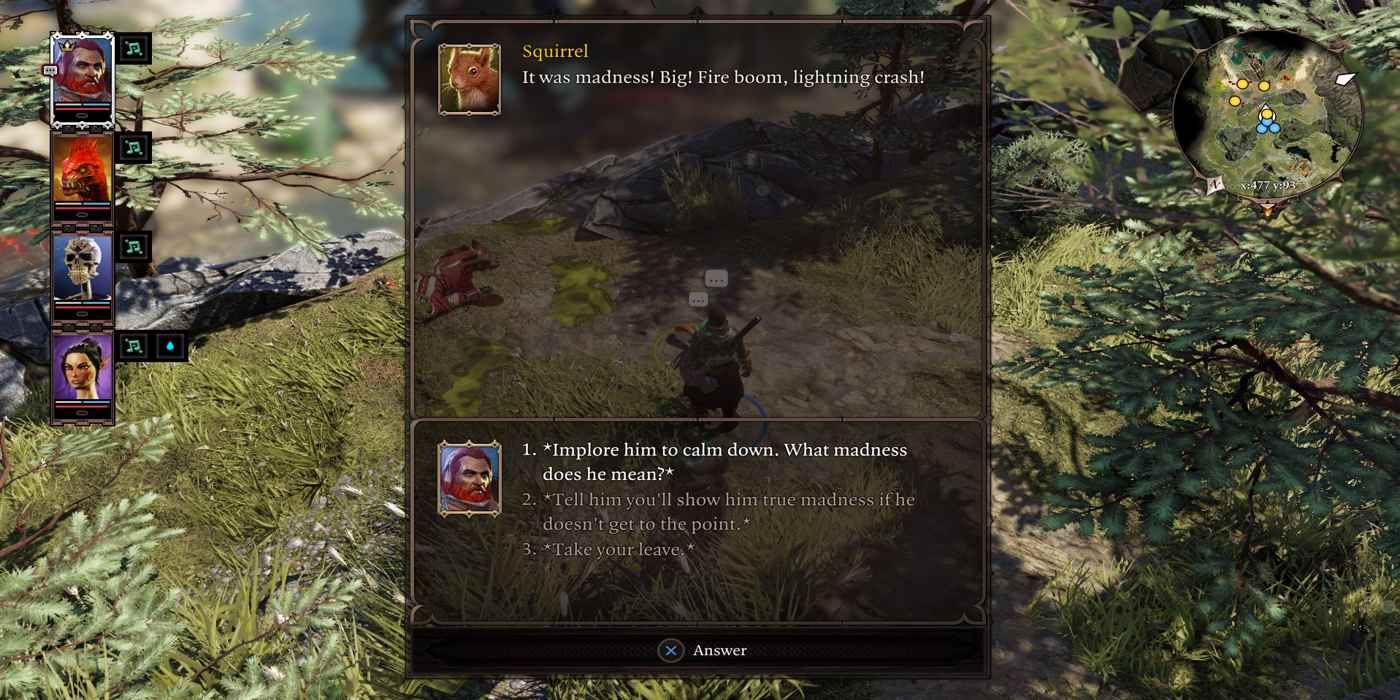
The amount of detail that was put into Divinity: Original Sin II is impressive, to say the least. One aspect that may go unnoticed to some, but is greatly appreciated by those who like to get themselves immersed in RPGs like these are the interactions.
Sure, the dialogue options and how people talk to you depend on things such as race and class, but what pushed it even further is playing as an undead. When playing as an undead you can create a Mask of the Shapeshifter, which lets you look like any other race of your choice. If you switch your look, NPCs that you've talked to before will not recognize you and talk to you as if you're someone new.
Although this isn't a huge detail overall, it is something that helps the world feel alive and more immersive.
7 No: Clunky Animations
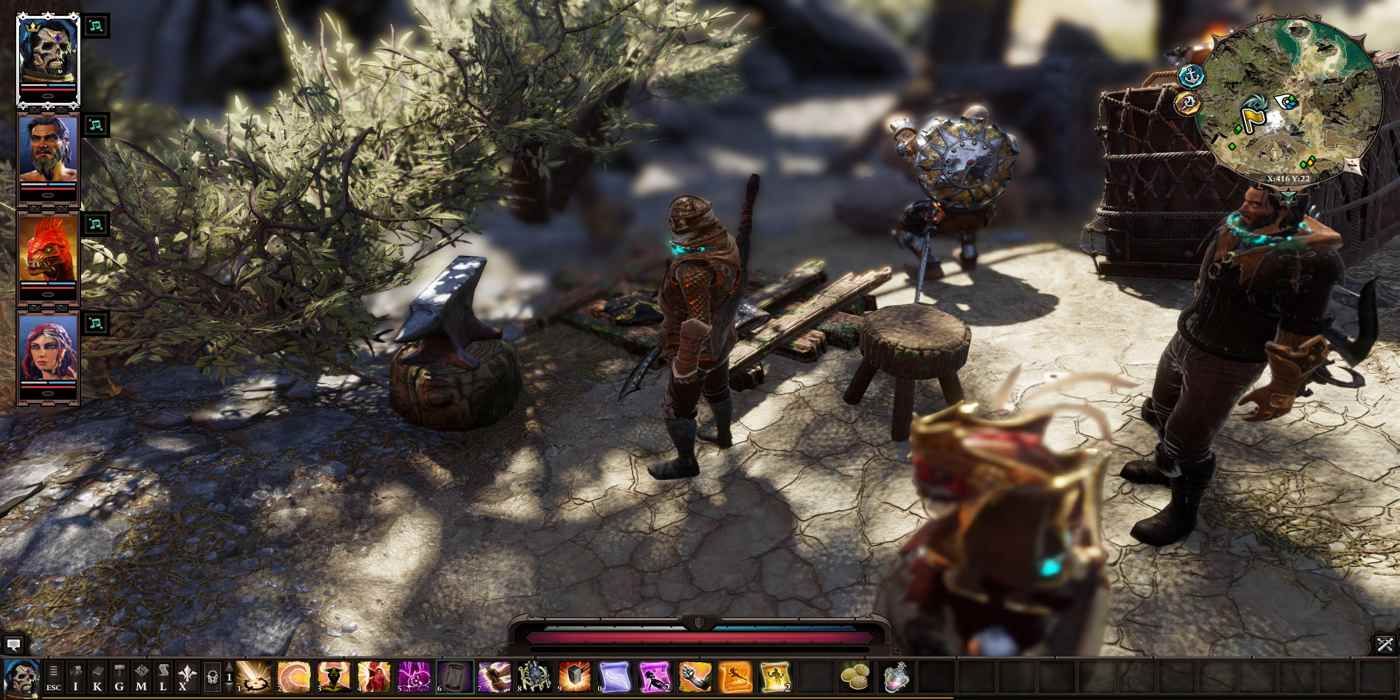
While some people may appreciate the clunky animations of Divinity and maybe even feel nostalgic because of them, they can feel a bit dated and out of place in modern-day games.


 slg game money guide
 Report this page